
Getting Back Into a Sports Routine After Summer: 5 Tips for Athletes & Families

Summer schedules are different. Vacations, camps, late nights, travel, and time away from organized sports can all change an athlete’s normal routine. As school and fall sports return, jumping immediately back into a packed schedule can be an adjustment—for kids and parents.
The good news is that athletes don’t need to get everything back at once. A gradual return to consistent movement, sleep, hydration, and structured training can make the transition easier and help athletes feel more prepared for the season ahead.

The Centers for Disease Control and Prevention (CDC) recommends that children and adolescents ages 6–17 get at least 60 minutes of moderate-to-vigorous physical activity each day, with activities that strengthen muscles and bones incorporated throughout the week. Organized sports can be a great part of meeting those recommendations—but healthy routines outside of practice matter, too.
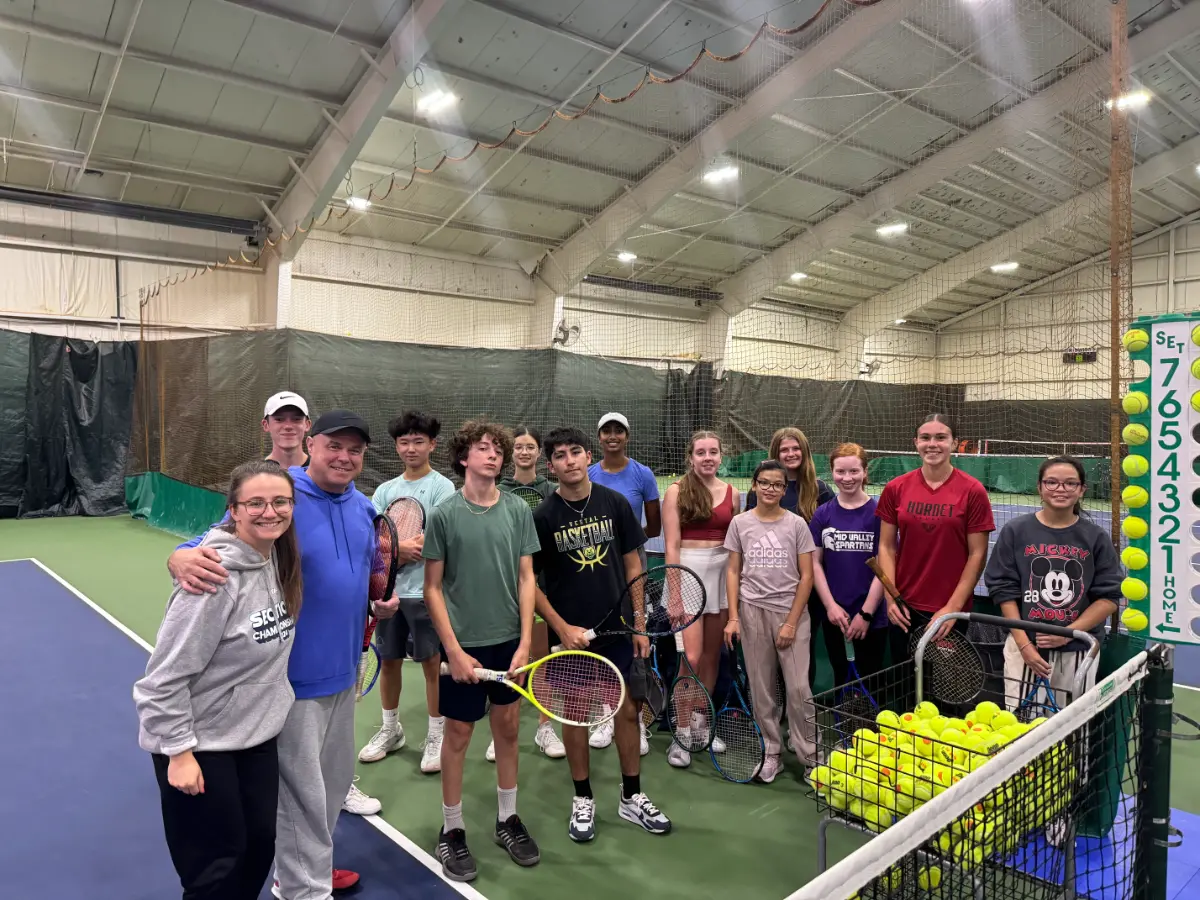
tennis league

Tips for Getting Back Into Your Sports Routine

Get Back Into a Consistent Schedule

One of the biggest adjustments after summer is simply having structure again.
Start moving bedtimes, wake-up times, meals, and activity back toward a school-year routine before schedules become completely packed. Consistent sleep is especially important for young athletes because recovery doesn’t end when practice does.
The American Academy of Sleep Medicine recommends 9–12 hours of sleep for children ages 6–12 and 8–10 hours for teenagers ages 13–18.

Build Back Gradually

After time away, it’s tempting to jump straight into intense practices and workouts. But more isn’t always better.
Give the body time to readjust to running, jumping, serving, swinging, and other repetitive movements. Start with shorter sessions and fundamental skills, then gradually increase intensity.
This is especially important for athletes heading into volleyball, tennis, soccer, basketball, or other fall and winter seasons after a less structured summer.

Don't Forget the Basics

Hydration, nutrition, stretching, and recovery aren’t the exciting parts of sports—but they make a difference.
Encourage athletes to carry a water bottle, eat regular balanced meals, warm up before activity, and give their bodies time to recover. These habits are valuable for competitive athletes, recreational players, and active adults alike.

Set One or Two Goals

A new season doesn’t need a long list of expectations.
Maybe the goal is improving a volleyball serve, becoming quicker on the tennis court, making a school team, or simply getting active twice a week.
Specific, achievable goals give athletes something positive to work toward and make progress easier to recognize.

Find a Routine You Actually Enjoy

Consistency is much easier when you enjoy what you’re doing.
For some athletes, that’s competitive team play. For others, it might be a recreational league, weekly clinic, tennis lesson, pickleball session, or open gym. Younger athletes may benefit from trying multiple sports before deciding what they enjoy most.
The best sports routine isn’t necessarily the busiest one—it’s one you can realistically maintain.
As summer winds down and schedules begin to fill up again, remember that getting back into a routine doesn’t have to happen overnight. Start small, stay consistent, and find activities that keep you or your athlete excited to stay active. A new season is a fresh opportunity to set goals, build healthy habits, and get back to doing what you love.

Get Back in the Game at Empower Sports Academy

If you’re ready to make sports part of your family’s routine this fall, Empower Sports Academy in Kingston, PA is a great place to start.

Athletes and families throughout Northeastern Pennsylvania can find opportunities to play, train, compete, and stay active all year long. From volleyball and tennis to pickleball, leagues, clinics, lessons, and open play, there’s something for beginners through experienced athletes.

Our upcoming Youth Recreation Volleyball League is also a great way for young players to build fundamental skills, gain game experience, make friends, and get back into a consistent sports routine.

Have questions or need help finding the right program? Contact our team—we’d be happy to help you find the best fit for you or your athlete.
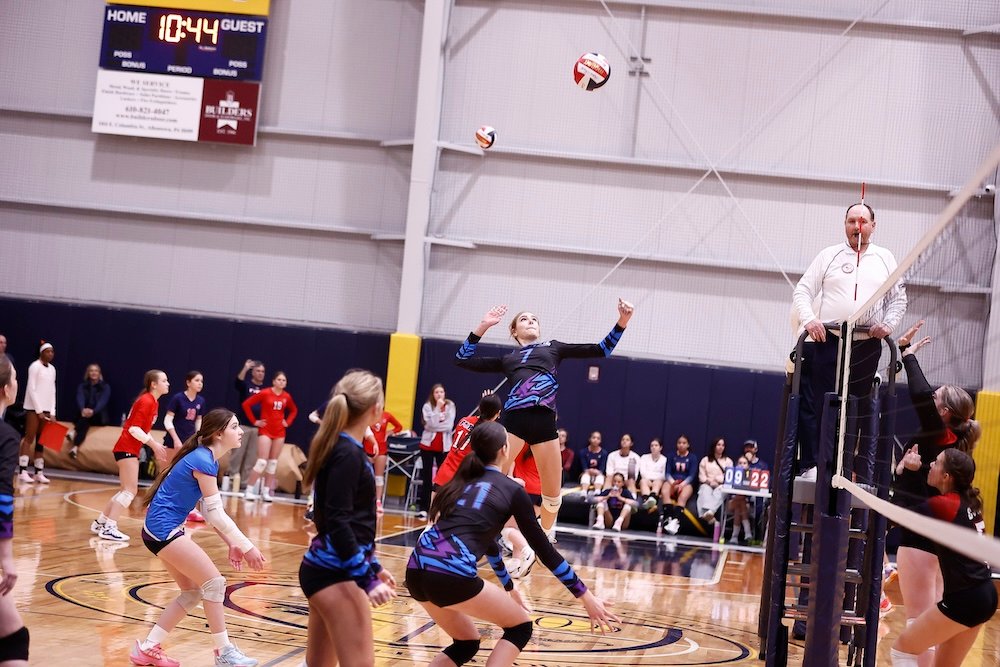

player spiking ball